Cowboy Western: The Definitive Guide to a Bold Vintage Font
In the vast landscape of typography, few styles evoke as strong an emotional response as the rugged, adventurous aesthetic of the American frontier. For designers, business owners, and creators looking to inject that specific brand of nostalgia and strength into their projects, the Cowboy Western font stands as a premier choice. It is more than just a typeface; it is a visual declaration of boldness, heritage, and the untamed spirit of the Wild West. This comprehensive guide explores the features, applications, and unique value of this all-caps display font.
Understanding the Anatomy of Cowboy Western
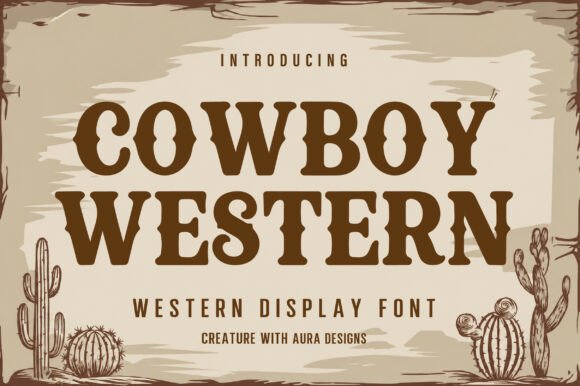
To appreciate the utility of this font, one must first understand its design DNA. Cowboy Western is a bold vintage display font that draws direct inspiration from the typography found on 19th-century saloon signs, wanted posters, and old western branding. However, it is not merely a relic; it is a carefully crafted digital typeface designed to bridge the gap between nostalgic frontier typography and modern versatility.
The defining characteristic of Cowboy Western is its slab serif construction. Unlike delicate serif fonts used for body text, slab serifs are characterized by thick, block-like terminals. In this specific font, these are emphasized with a heavy block structure that commands immediate attention. The letterforms are thick and decorative, ensuring high visibility even from a distance—a trait essential for signage in the rugged outdoors.
Furthermore, the font features distinctive curves and decorative spurs. These "spurs" are small lines or embellishments that project from the ends of the strokes, mimicking the hand-carved or sign-painted styles of the frontier era. This detailing creates an unmistakable old-timey look that feels authentic rather than forced. Because it is an all-caps typeface, every letter is designed to stand with equal stature, contributing to a uniform, powerful presence that is inherently masculine and commanding.
The Practical Applications: Where to Use This Typeface
The true value of a display font lies in its application. Cowboy Western excels in scenarios where the goal is to capture attention and convey a specific theme without using imagery. Its versatility allows it to fit seamlessly into various creative and commercial sectors.
Branding and Restaurant Identity
One of the most popular uses for this typeface is in the food and beverage industry. Barbecue restaurant branding, in particular, benefits from the font's rustic elegance. When customers see the thick, blocky letters of Cowboy Western on a menu, a storefront window, or a website header, they immediately associate the brand with hearty food, tradition, and a down-to-earth atmosphere. It sets the tone before the customer even tastes the food.
Apparel and Merchandise
The fashion industry often cycles through retro trends, and the "Americana" look remains a staple. This font works perfectly for rustic apparel, including t-shirts, hats, and denim jackets. It is also ideal for merchandise design, such as leather goods, belt buckles, and heavy-duty outdoor gear. The bold nature of the letterforms ensures that text on fabric remains legible and impactful, even after washing.
Digital and Print Media
In the realm of graphic design, Cowboy Western is a go-to for country music artwork, retro posters, and vintage logos. It provides a strong visual anchor for compositions that require a "hero" font. Whether you are creating a flyer for a local rodeo, a logo for a construction company, or a title sequence for a short film set in the past, this font delivers a commanding Wild West feel.
Who Benefits from Cowboy Western?
The audience for this typeface is diverse, ranging from professional graphic designers to small business owners and hobbyists.
- Small Business Owners: If you run a brewery, a mechanic shop, a farm-to-table restaurant, or an outdoor adventure company, this font helps establish your brand identity instantly. It communicates durability and reliability.
- Graphic Designers: Professionals seeking to expand their library of display fonts will find Cowboy Western indispensable for projects requiring a vintage or thematic touch.
- Content Creators: YouTubers, streamers, and social media influencers focusing on history, gaming (western genres), or DIY crafts can use this font for thumbnails and channel art to attract a specific demographic.
- Event Planners: For themed weddings, birthday parties, or corporate events with a rustic theme, using this font on invitations, banners, and signage adds a layer of immersive detail.
Evaluating Strengths and Considerations
While Cowboy Western is a powerful tool, understanding its strengths and limitations is key to using it effectively. Like any specialized tool, it has specific contexts where it shines and others where it may not be the best fit.
Strengths
The primary strength of this font is its visual impact. It does not whisper; it shouts. This makes it excellent for headers, logos, and call-to-action buttons where readability at a glance is paramount. Its authentic detailing also provides a level of "heritage" to a design, suggesting that a brand has roots or values tradition. The clean yet rugged style ensures that while it looks old, it does not look messy or chaotic.
Considerations and Limitations
The most significant limitation of Cowboy Western is that it is a display font, not a text font. This means it is not suitable for long paragraphs or small body copy. The decorative details and bold weight that make it beautiful at 48pt can make it unreadable at 12pt.
Additionally, because it is a thematic font, it can feel out of place in modern, minimalist corporate environments (such as a fintech app or a medical clinic). Using it requires a commitment to the western aesthetic. If used inappropriately, it can make a design feel like a costume rather than a professional presentation.
Practical Tips for Implementation
To get the most out of Cowboy Western, consider these practical design tips:
- Pairing with Complementary Fonts: Because Cowboy Western is so bold, it pairs well with simple sans-serif fonts for body text. A clean font like Open Sans or Roboto provides a necessary contrast that allows the display font to stand out without overwhelming the viewer.
- Spacing and Kerning: Due to the decorative spurs and slab serifs, tracking (letter spacing) is crucial. In headlines, tightening the tracking slightly can create a powerful, cohesive block of text. However, for smaller sizes, increasing the spacing can improve legibility.
- Color and Texture: This font looks best when paired with earthy tones—browns, deep reds, off-whites, and blacks. It also responds well to texture overlays. Applying a subtle grain or distressed texture to the text can enhance the vintage authenticity of the font, making it look like it was stamped on the material.
Conclusion: Capturing the Spirit of Adventure
In a digital world often dominated by sleek, geometric sans-serifs, Cowboy Western offers a refreshing return to character and craftsmanship. It is a font that tells a story of adventure, heritage, and bold western tradition. Whether you are designing a badge for a scout troop, a label for a new hot sauce, or a poster for a vintage car show, this typeface provides the tools to capture that rugged frontier spirit.
By understanding its features—strong slab serifs, thick decorative letterforms, and authentic detailing—you can harness its power to create designs that are not only visually striking but also deeply resonant with your audience. Cowboy Western is not just a font; it is a gateway to the Wild West, available at the click of a button.