Evaluating Anthurium: A Detailed Guide to This Agricultural Display Font
In the diverse world of typography, selecting a typeface that accurately reflects a brand's core values is a critical design decision. For businesses operating within the artisanal food, organic agriculture, and seasonal event sectors, the visual language must evoke specific textures and emotions. Anthurium is a specialized display font designed to meet these niche requirements. It serves as a bridge between structural typographic design and the organic aesthetics of farming, specifically utilizing imagery of corn husks and maize kernels to create a bold, uppercase typeface.
This article provides an objective evaluation of the Anthurium font, analyzing its characteristics, ideal applications, and the practical considerations designers and business owners should weigh before implementation.
Understanding the Anatomy of Anthurium
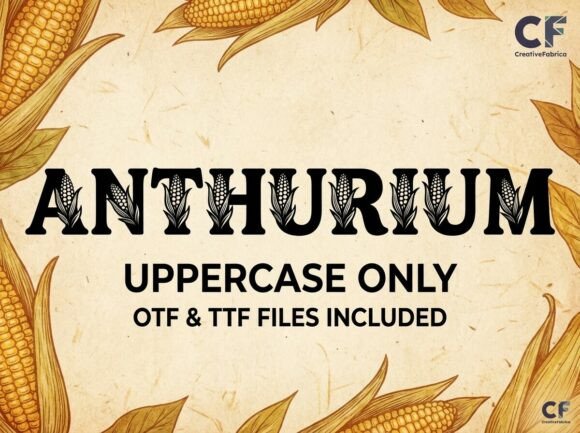
At its core, Anthurium is a heavy, authoritative block letter typeface. However, unlike standard sans-serif or slab-serif fonts used for impact, Anthurium incorporates intricate, hand-drawn elements directly into the letterforms. The defining characteristic of this font is the integration of agricultural motifs—specifically ripening maize and corn husks—within the strokes of the letters. This creates a rhythmic texture that mimics the natural patterns found in harvested crops.
It is important to note that Anthurium is an uppercase-only typeface. This design choice reinforces the "bold display" nature of the font, making it unsuitable for long-form body text but highly effective for headlines, logos, and mastheads where immediate visual impact is required. The aesthetic is distinctly "farm-to-table," aiming to communicate authenticity, harvest abundance, and rustic craftsmanship without the need for accompanying illustration.
Evaluating the Audience and Use Cases
When considering Anthurium, the primary evaluation metric should be whether the font’s visual metaphor aligns with the product or event being marketed. The font is engineered for specific industries where the connection to the earth and harvest is a selling point.
Where Anthurium is a Strong Fit
Based on its design attributes, Anthurium performs optimally in scenarios where the visual branding needs to convey organic origins and artisanal quality. It is particularly effective for:
- Seasonal Branding: The font is well-suited for autumn festival branding and harvest posters. The corn kernel texture naturally aligns with the visual language of Thanksgiving and fall harvests, making it a logical choice for event organizers.
- Artisanal Packaging: For products such as gourmet popcorn tins, corn-based snacks, or organic cereals, Anthurium offers a direct visual link to the raw ingredients. It helps establish a "premium" feel for small-batch or independent food producers.
- Beverage Industry: Independent breweries, particularly those specializing in seasonal ales or craft sodas, can utilize this font for labels. The heavy block letters ensure legibility on crowded shelves, while the agricultural details suggest natural brewing processes.
- Agricultural Logos: Organic farms, farmers' markets, and agricultural co-ops can use Anthurium to create logos that immediately communicate their focus on crop production and natural growth.
Benefits and Tradeoffs
Like any specialized design tool, using Anthurium involves a tradeoff between distinctiveness and versatility. Understanding these factors is essential for making an informed decision.
The Benefits
- Instant Storytelling: The primary benefit of Anthurium is its ability to tell a story instantly. It eliminates the need for complex graphics to explain that a product is organic or farm-fresh; the typography itself carries that narrative.
- Visual Impact: The heavy weight and uppercase structure make Anthurium highly legible at a distance. This is crucial for festival posters and signage where readability from afar is a priority.
- Unique Aesthetic: In a market saturated with clean, digital-looking sans-serifs, Anthurium offers a tactile, hand-crafted feel that can help a brand stand out as authentic and grounded.
The Tradeoffs and Considerations
- Context Dependency: The corn and maize motifs are highly specific. If used in an industry unrelated to food, agriculture, or nature (such as technology or finance), the font may appear confusing or out of place.
- Lack of Lowercase: As an uppercase-only font, Anthurium cannot be used for writing sentences or paragraphs. It requires a secondary, complementary typeface for any supporting text, which adds complexity to the design system.
- Detail Complexity: The hand-drawn details within the letters may not reproduce well at very small sizes. On mobile screens or small product tags, the intricate husks and kernels might blur, reducing legibility. It is best used at larger display sizes.
Decision-Making Insights: Is Anthurium Right for Your Project?
To determine if Anthurium aligns with your goals, consider the following practical questions:
- What is the core product? If your product is agricultural or culinary, Anthurium is a strong candidate. If your product is abstract or service-based, the specific imagery of corn husks may distract rather than attract.
- What is the target season? While harvest themes can be used year-round, Anthurium has a strong "autumn" resonance. For spring or summer campaigns, it may feel seasonally misaligned compared to lighter, floral typefaces.
- How much text is required? If you need a font for a logo or a headline (1-5 words), Anthurium works well. If you need a font for a menu or a brochure body text, you must look elsewhere for a pairing font.
Comparing Alternatives
If the specific "corn husk" element of Anthurium feels too literal for your brand, there are alternative directions to consider:
- Rustic Slab Serifs: If you like the weight and authority of Anthurium but want less illustration, a heavy slab-serif font can provide a similar "farmhouse" feel without the integrated crop imagery.
- Brush Scripts: For a more "handmade" or "homestyle" aesthetic, a bold brush script might convey artisanal quality without the structural blockiness of Anthurium.
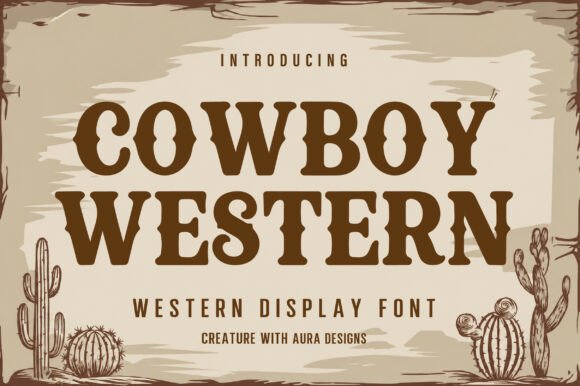
- Western Style Fonts: If the goal is to evoke a rural or country atmosphere, vintage western typefaces offer a different flavor of rural Americana that is less focused on specific crops.
Conclusion
Anthurium is a purpose-built design asset. It is not a general-purpose typeface but a specialized tool for branding that revolves around agriculture, harvest, and artisanal food production. Its strength lies in its ability to merge typography with illustration, creating a visual shorthand for "organic" and "abundant." For designers and business owners in the gourmet food or festival industries, Anthurium offers a bold, thematic solution that, when paired with the right complementary fonts, can create a memorable and cohesive brand identity.