Mastering the Balance: How to Use the Lucky Forever Font for Maximum Impact
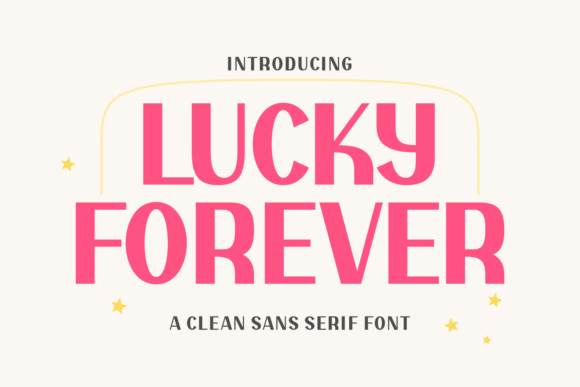
In the crowded landscape of digital typography, finding a typeface that genuinely bridges the gap between artistic flair and functional utility is rare. Lucky Forever represents a significant achievement in modern design, offering a captivating sans serif defined by a striking interplay of bold and thin elements. This is not just another decorative font; it is a meticulously engineered typeface designed to provide a seamless equilibrium between structural power and artistic grace. For creators ranging from seasoned brand strategists to weekend hobbyists, understanding how to wield this font effectively is the difference between a project that looks merely "busy" and one that communicates with absolute confidence.
The Anatomy of Versatility: Why Lucky Forever Works
The defining characteristic of Lucky Forever is its rhythmic blend of thick and thin strokes within a single letterform. This duality allows the font to carry a sense of both weight and weightlessness simultaneously. Unlike standard geometric sans serifs, which can sometimes feel sterile or robotic, or heavy serifs that can feel dated, this typeface injects a fresh, energetic aesthetic into any canvas. Its polished geometry and forward-thinking style make it a premier choice for high-end branding, editorial headers, posters, and apparel design, such as T-shirts.
However, versatility often breeds complacency. Because the font is visually striking on its own, many users assume it will do all the heavy lifting for their design. This assumption is the root cause of most design failures involving display typefaces. To use Lucky Forever successfully, one must appreciate its specific engineering: it is designed to command attention, but that attention must be directed correctly.
Navigating Common Pitfalls with Display Typography
The most frequent mistake beginners and even intermediate designers make is confusing display usage with body usage. Lucky Forever is an exceptional display font. Its high-contrast strokes and unique geometry are optimized for headers, logos, and short bursts of impactful text. However, these same features that make it excellent for headlines make it a poor choice for long-form paragraphs.
The Readability Trap
Imagine you are designing a poster for a music festival. You choose Lucky Forever for the band names because it looks edgy and modern. This is a correct application. The mistake occurs when you decide to use that same font for the venue address, the ticket disclaimer, or the schedule details at the bottom of the poster.
Because of the interplay between bold and thin elements, Lucky Forever requires larger sizes to maintain legibility. When scaled down to 10pt or 12pt for body text, those delicate thin strokes can disappear or become difficult to read on lower-resolution screens or in print. This affects the usability of your design. If the audience cannot easily read the details, the communication fails, regardless of how beautiful the headline looks.
The Solution: Always pair a high-character font like Lucky Forever with a neutral, legible companion typeface for body copy. A clean, low-contrast sans serif or a classic serif works best. This creates a visual hierarchy where the display font grabs attention, and the body font delivers the information efficiently.
Avoiding Contextual Mismatches
Another common misunderstanding relates to the "mood" of the font. While Lucky Forever is versatile, it carries a specific energy—it is energetic, modern, and somewhat luxurious. A frequent error is applying this font to contexts that require a tone of austerity, tradition, or minimalism.
Branding and Audience Alignment
For example, if you are a freelancer designing a logo for a boutique hotel or a high-end fashion brand, Lucky Forever is an excellent choice. Its polished geometry screams "premium." However, if you are designing a logo for a local accounting firm or a legal practice, the artistic flair of the font might undermine the sense of stability and trustworthiness required in those industries.
Using a font that clashes with your brand’s personality can confuse your audience. It creates cognitive dissonance; the visual language says "creative and bold," while the service offered is "conservative and safe." This lowers trust and can negatively impact conversion rates for entrepreneurs and small business owners.
The Better Approach: Before selecting Lucky Forever, define your brand’s core attributes. If your keywords include modern, energetic, stylish, bold, or creative, this font is a perfect match. If your keywords are traditional, quiet, rugged, or whimsical, you should look elsewhere. Always let the message dictate the medium.
Technical Checks and Best Practices
To ensure that your design retains its intended quality across different environments, you must pay attention to the technical execution. The "striking interplay" of strokes in Lucky Forever can be technically demanding.
Kerning and Spacing
Fonts with varying stroke weights often require manual kerning adjustments, especially in large display headers. The optical illusion created by thick and thin lines can make certain letter pairs look further apart or closer together than they actually are. For instance, a bold vertical stroke next to a thin diagonal stroke might create a visual gap.
If you do not check the spacing, your high-end branding project can look amateurish. Uneven spacing disrupts the rhythm of the text, making the design feel "off" even if the viewer cannot pinpoint exactly why.
Actionable Advice: When working with Lucky Forever in software like Adobe Illustrator or Photoshop, zoom in on your headers. Use optical kerning rather than metric kerning, or manually adjust the spacing between problematic letter pairs (like 'A' and 'V' or 'T' and 'o'). This ensures the polished geometry of the font shines through without visual distractions.
Color and Contrast
Because this font achieves a sense of weightlessness through its thin elements, contrast is critical. Placing Lucky Forever over a busy background image is a common mistake. The thin strokes will vanish into the image details, leaving only the bold strokes visible. This breaks the letterform, turning your text into a jumble of black bars rather than readable words.
The Fix: Ensure high contrast between the text and the background. If you must place text over an image, use a solid color overlay, a shadow, or a text box to separate the typography from the visual noise. This preserves the integrity of the font's design.
Evaluating and Implementing Lucky Forever
For marketers, bloggers, and educators looking to upgrade their visual assets, the decision to adopt Lucky Forever should be based on a clear evaluation of your content needs. This font excels in environments where brevity and impact are paramount. It is ideal for:
- Social Media Graphics: Short, punchy captions that need to stop the scroll.
- Apparel Design: T-shirt slogans where the text itself is the art.
- Editorial Design: Magazine covers and section headers that require a modern edge.
Before downloading or purchasing, verify that the font file includes the necessary licensing for your intended use. If you plan to use it for commercial branding or merchandise, ensure the license permits it. Additionally, test the font on your specific platform. How does it render on mobile devices? Does the weight loss in the thin strokes affect legibility on smaller screens?
The Final Verdict on Balance
Lucky Forever