Ceoma: A Practical Guide to the Futuristic Modular Typeface
In the expansive world of digital typography, the search for a typeface that conveys specific, advanced concepts can be challenging. For designers working on projects that require a distinct futuristic, industrial, or technological aesthetic, Ceoma presents itself as a specialized typographic solution. This guide offers a practical evaluation of the Ceoma typeface, exploring its design characteristics, potential applications, and key considerations to help you determine if it aligns with your creative and strategic objectives.
Understanding Ceoma's Core Design Philosophy
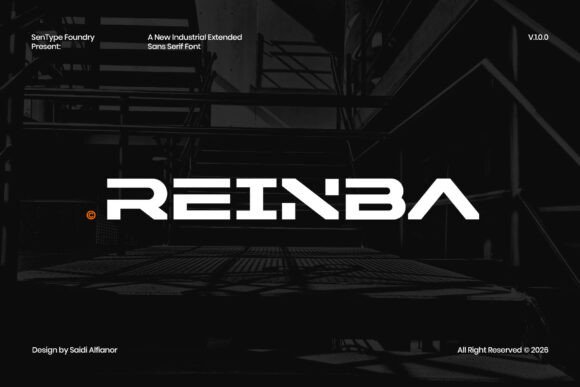
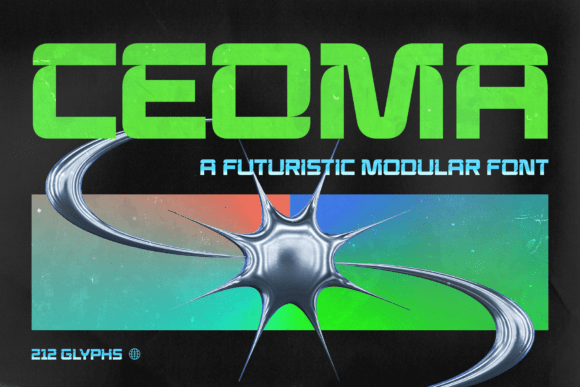
Ceoma is best described as a modular, geometric sans-serif typeface. Its design is not organic or traditional; it is engineered. The letterforms are constructed from bold, heavy blocks, giving them a substantial and commanding presence. A defining feature is the use of precise, architectural inner cuts within the characters. These negative spaces are not merely decorative; they are integral to the font's structure, reinforcing its technical and constructed feel.
The overall stance of Ceoma is wide and low-profile, which contributes to a sense of stability and grounded power. The geometry often incorporates capsule-like shapes and sharp, clean lines, merging elements of a Y2K aesthetic with a contemporary tech-wave sensibility. This combination results in a typeface that feels both nostalgic for a specific era of digital design and forward-looking, channeling an industrial sci-fi vibe. It is a typeface built for impact, designed to make headings and display text immediately feel like they belong to a high-tech, kinetic environment.
Evaluating the Potential Applications of Ceoma
The decision to use a typeface like Ceoma is often driven by its intended application. Its design language makes it particularly suitable for projects where the visual theme needs to communicate innovation, precision, and a sense of the future. Understanding where Ceoma excels can help you assess its relevance to your work.
Consider these contexts where Ceoma's characteristics can be a strong asset:
- Gaming and Interface Design: The bold, clear, and technical nature of Ceoma makes it a strong candidate for user interfaces in futuristic or sci-fi video games. Its legibility at various sizes and its thematic alignment with technology-driven narratives can enhance the user experience.
- Music and Event Artwork: For genres like electronic, synthwave, or industrial music, Ceoma can effectively capture the sonic energy in visual form. It is well-suited for poster artwork, album covers, and event branding where a dynamic and modern aesthetic is paramount.
- Technology and Science Fiction Branding: Whether for a tech startup, a cybersecurity firm, or the title of a sci-fi novel, Ceoma can help establish a brand identity centered on innovation and forward-thinking. Its precise geometry conveys reliability and advanced engineering.
- Apparel and Product Packaging: In the realm of tech-wear apparel or high-concept consumer electronics packaging, Ceoma can provide the necessary visual edge. It helps products stand out on a shelf or in an online store by immediately signaling a specific, modern style.
Key Considerations and Potential Tradeoffs
While Ceoma offers powerful stylistic advantages, its specialized design comes with important considerations. A balanced evaluation requires acknowledging both its strengths and its limitations to set correct expectations.
Benefits and Strengths
The primary benefit of Ceoma is its unmistakable stylistic voice. It is not a neutral typeface; it makes a clear statement. This specificity can save designers time in establishing a project's mood. Its bold weight and geometric clarity ensure high impact in headlines and logos. Furthermore, the font family often includes multiple stylistic variations or weights, allowing for creative flexibility while maintaining a cohesive visual system across a project.
Limitations and Tradeoffs
The most significant tradeoff is limited versatility. Ceoma's strong personality makes it poorly suited for body text, long-form reading, or any context where neutrality is desired. Overuse can lead to visual monotony or make a design feel overly themed. Its geometric and modular nature, while striking, can sometimes reduce legibility at very small sizes or in complex, rapid reading environments compared to more humanist sans-serifs. Therefore, it is almost always necessary to pair Ceoma with a more readable, complementary typeface for supporting text.
Is Ceoma the Right Choice for Your Project?
Determining whether Ceoma aligns with your goals involves a simple but critical self-assessment. Ask yourself the following questions:
- What is the core message or feeling of my project? If the answer involves technology, futurism, industrial strength, or digital precision, Ceoma is a relevant contender. If the goal is to convey warmth, tradition, elegance, or simplicity, other typefaces will be more appropriate.
- How will the typeface be used? If it is reserved for headlines, logos, or short, impactful text blocks, Ceoma can be very effective. If you need a single typeface for an entire document, including body copy, Ceoma is not the correct choice.
- Who is my audience? Ceoma's aesthetic will resonate strongly with audiences familiar with gaming, tech, and contemporary digital culture. For more general or traditional audiences, its style may be perceived as niche or overly stylized.
If your project's theme aligns with Ceoma's design language and you plan to use it for display purposes, it can be an excellent tool. However, if your requirements demand flexibility, neutrality, or suitability for extended reading, exploring alternatives is advisable.
Exploring Alternatives to Ceoma
If Ceoma does not seem like a perfect fit, the typographic landscape offers many other options. For a similarly geometric but perhaps slightly more neutral feel, consider other geometric sans-serif families like Futura or ITC Avant Garde. For a more technical or "blueprint" aesthetic, monospaced or stencil fonts might be worth investigating. If the goal is a bold, impactful display font with a different flavor, condensed sans-serifs or modern grotesques could provide the necessary presence without the specific futuristic theme. The key is to match the typeface's inherent personality with the project's requirements, not just its visual style.
In conclusion, Ceoma is a potent typographic instrument designed for a specific purpose. It excels in creating a powerful, futuristic atmosphere in display settings. By carefully evaluating your project's theme, application, and audience, you can make an informed decision about whether to step into the next graphic dimension with Ceoma or choose a different path for your design needs.