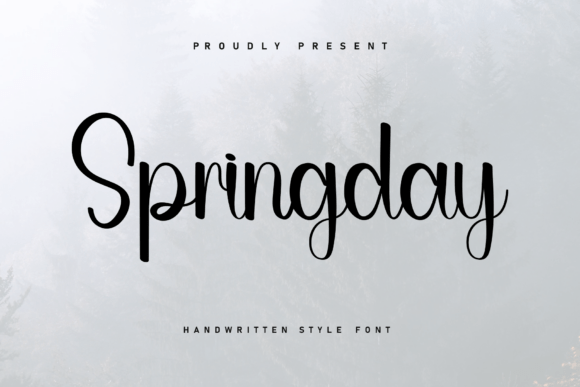
Springday Font: A Comprehensive Guide for Designers and Creatives
In the vast landscape of typography, selecting the right typeface is a critical decision that can define the tone and success of a design project. Among the myriad of options available, the Springday font has carved out a distinct niche. This article provides an objective evaluation of the Springday typeface, exploring its characteristics, ideal applications, and the specific considerations you should weigh before integrating it into your workflow. The goal is to help you determine if Springday aligns with your creative objectives and brand requirements.
Understanding the Springday Aesthetic
At its core, Springday is a handwritten typeface that mimics the fluid, organic texture of a marker or brush pen. Unlike formal calligraphy or rigid serif fonts, it possesses a distinctively relaxed and sporty vibe. The letterforms are designed to look as though they were quickly sketched out, offering a sense of spontaneity and authenticity that digital fonts often lack.
The "sporty" classification comes from its dynamic energy. The strokes are generally uniform in width, mimicking a chisel-tip marker, which gives the text a bold presence without being overly aggressive. It strikes a delicate balance: it looks luxurious and elegant due to its fluid connectivity, yet it remains casual enough to feel approachable. This duality makes it a subject of interest for designers looking to bridge the gap between high-end aesthetics and everyday accessibility.
Evaluating the Benefits and Visual Impact
When researching fonts, it is essential to look beyond the preview of the alphabet and consider the practical impact on your audience. The primary benefit of using a font like Springday is its ability to inject personality into a layout instantly. Standard sans-serif fonts can sometimes feel sterile or corporate. By contrast, Springday offers a "human touch." It suggests that a real person is behind the message, which can foster a stronger emotional connection with the viewer.
Furthermore, the font’s structure is generally legible at medium to large sizes. Because it mimics a marker, the letter spacing (kerning) is often loose by default, preventing the text from becoming a jumbled mess. This readability is crucial for headlines, logos, and short bursts of text where the message needs to be absorbed quickly. It avoids the overly decorative loops and swashes that can render other script fonts unreadable, making it a practical choice for commercial use where clarity is paramount.
Ideal Use Cases and Strong Fits
Determining if Springday is the right fit depends heavily on the context of your project. Based on its design attributes, it is particularly strong in the following scenarios:
- Branding and Logos: For startups or small businesses—particularly in the lifestyle, fitness, or fashion sectors—Springday can establish a brand identity that is both professional and friendly. It works well for coffee shops, boutique gyms, or artisanal bakeries.
- Wedding and Event Stationery: The elegant-casual balance makes it suitable for wedding supplies. It feels personal and handcrafted, which appeals to couples looking for a romantic but not overly stuffy aesthetic for their invitations and signage.
- Fashion and Lookbooks: In the fashion industry, the "relaxed" vibe of the font complements editorial layouts. It can highlight product names or quotes without distracting from the clothing imagery, adding a layer of chic sophistication.
- Greeting Cards and Marketing: Because it mimics handwriting, it is effective for direct marketing materials and greeting cards where the goal is to speak directly to the consumer. It implies a personal recommendation rather than a hard sell.
Tradeoffs and Limitations
No typeface is perfect for every situation, and an objective evaluation requires acknowledging the limitations of Springday. The most significant tradeoff is its unsuitability for body text. Handwritten fonts generally cause eye strain when used for long paragraphs. If your project relies on dense information—such as a whitepaper, a technical manual, or a blog post—Springday should be reserved strictly for headlines or pull quotes, paired with a highly legible body font.
Another consideration is the "trend" factor. Marker-style fonts can sometimes feel tied to specific design eras. While Springday is designed to be timeless, it is vital to ensure that the "sporty" aesthetic matches the longevity of the brand you are building. For instance, a law firm or a financial institution might find the casual nature of the font undermines the seriousness and gravity of their services. In such contexts, the lack of formality could be a liability rather than an asset.
Comparing Alternatives
When selecting Springday, it is helpful to compare it against other categories of fonts to ensure it is your best option:
- vs. Formal Calligraphy: If you desire absolute luxury and tradition, a formal script (like a copperplate style) might be superior. However, these can often feel stiff. Choose Springday if you want the elegance of a script but with a modern, relaxed energy.
- vs. Geometric Sans-Serifs: If your design requires a minimalist, clean, and ultra-modern look, a sans-serif is the better choice. Springday is for designs that need warmth and texture.
- vs. Serif Fonts: Serifs suggest authority and history. Springday suggests innovation and approachability. If your goal is to look established and traditional, avoid the handwritten style.
Practical Decision-Making Insights
To decide if Springday aligns with your goals, consider the "voice" of your project. Read your copy aloud. Does it sound like a conversation between friends? Does it sound like a coach encouraging a team? If so, the Springday font will visually reinforce that tone.
Additionally, look at your color palette. Marker fonts like Springday often pair best with vibrant colors or stark contrasts (black and white) to enhance the "ink" effect. If your brand palette is muted or pastel, ensure the font remains legible against those backgrounds.
Finally, consider the medium. Springday works exceptionally well on screens (web headers, social media graphics) due to its bold strokes. It also translates well to print on textured cardstock, enhancing the tactile, handwritten feel. However, be cautious with small-scale printing, such as product packaging legalese, where its casual nature might become illegible.
Conclusion
Springday is a versatile, handwritten typeface that successfully blends sporty energy with elegant charm. It is an excellent tool for designers aiming to create branding that feels personal, luxurious, yet approachable. However, it is not a universal solution. It requires a supportive design environment—proper sizing, appropriate color pairing, and a complementary body font—to function effectively. By weighing its casual aesthetic against the specific needs of your project, you can determine if Springday is the missing piece in your typographic puzzle.