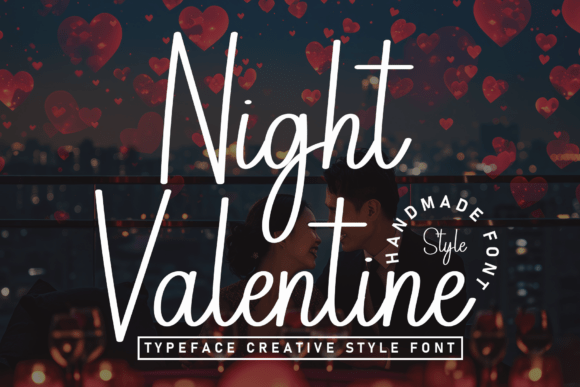
Night Valentine: A Guide to This Handwritten Display Font
In the vast landscape of digital typography, selecting the right font is a critical decision that directly influences the tone and effectiveness of a design. Night Valentine is a specific display typeface characterized by its handwritten script style. It is designed to emulate the fluid, personal nature of human handwriting, distinguishing it from more rigid serif or sans-serif fonts. Understanding its characteristics, intended applications, and inherent limitations is essential for designers and creators looking to incorporate it into their work.
Understanding the Font's Design and Character
Night Valentine is classified as a display font, meaning it is intended for use at larger sizes, such as in headlines, logos, or titles, rather than for extended body text. Its design is rooted in a script aesthetic, featuring connected letterforms that mimic the flow of cursive writing. The font is noted for its blend of sweetness and a playful vibe, achieved through its letterform shapes and stroke weights. The strokes often have a slight variation, contributing to an organic, lively touch that feels less mechanical than standard digital fonts.
The intricate detailing of the letters is a key feature. This detailing is what allows the font to breathe life into artistic expressions, creating a sense of quaint allure. However, this same intricacy is a crucial factor to consider during the selection process. The level of detail is optimized for visibility and impact at larger scales. When reduced in size, these fine details can become lost, leading to a loss of legibility and visual clarity.
Evaluating Ideal Use Cases and Applications
The core value of Night Valentine lies in its ability to infuse a design with an air of joyful warmth and personal charm. This makes it a strong candidate for projects where a human, heartfelt connection is the primary goal. Evaluating its fit requires a clear understanding of your project's context and audience.
Situations Where Night Valentine Excels
This font is particularly well-suited for designs that aim to evoke emotion and personality. Its strengths are most apparent in the following contexts:
- Event Stationery: For wedding invitations, save-the-dates, or party announcements, the handwritten script aligns perfectly with themes of love, celebration, and personal touch. It sets a romantic and intimate tone from the first glance.
- Crafted Cards and Greetings: Whether for Valentine's Day, anniversaries, or heartfelt thank-you notes, Night Valentine adds a layer of authenticity that printed text often lacks. It makes a card feel more personal and less mass-produced.
- Branding for Artisanal Products: Businesses offering handmade goods, boutique crafts, or personalized services can use this font to reinforce their brand identity. It communicates care, attention to detail, and a small-scale, artisanal quality.
- Social Media Graphics and Quotes: For creating visually engaging posts, especially those featuring quotes, song lyrics, or personal messages, the font's lively character helps the text stand out and conveys a specific, warm mood.
Considerations and Potential Limitations
While Night Valentine has clear strengths, it is not a universal solution. A balanced evaluation must include its tradeoffs and situations where it may be less effective.
- Legibility at Small Sizes: As a highly stylized script, its legibility decreases significantly in small text sizes. It should not be used for body copy, product descriptions, or any text meant for extended reading. For these purposes, a clean, simple sans-serif or serif font is a more practical choice.
- Overpowering a Design: The font's strong personality can dominate a layout. If used excessively or paired with other highly decorative fonts, it can create a cluttered and visually confusing design. It works best when used sparingly for headlines or accents, balanced with more neutral fonts for supporting text.
- Formal or Corporate Contexts: The playful and sweet vibe of Night Valentine may be inappropriate for professional, corporate, or serious contexts. A business report, legal document, or corporate website would require a more sober and authoritative typeface to maintain credibility.
- Accessibility Concerns: Handwritten scripts can present challenges for readers with dyslexia or other visual processing difficulties. If accessibility is a primary concern, prioritizing highly legible, standardized fonts is a necessary tradeoff.
Practical Decision-Making Insights
To determine if Night Valentine aligns with your goals, conduct a brief evaluation against your project's specific needs. Ask yourself the following questions:
- What is the primary emotion I want to convey? If the answer is warmth, love, playfulness, or nostalgia, this font is a strong candidate. If you need to convey professionalism, urgency, or neutrality, look elsewhere.
- What is the context of use? Is this for a short, impactful headline or a long paragraph of text? If it's the former, proceed. If it's the latter, it is the wrong tool for the job.
- Who is my audience? Consider their expectations. A font that works for a wedding invitation for friends may not resonate in a marketing brochure for a financial service.
- How will it pair with other design elements? Plan to use Night Valentine for key words or phrases. Choose a complementary, legible font for other text to ensure the overall design is balanced and functional.
Conclusion: A Specialized Tool for Expressive Design
Night Valentine is not a workhorse font for all occasions. It is a specialized display typeface designed to inject a specific, charming personality into creative projects. Its value is highest when used intentionally for designs centered on celebration, personal connection, and artisanal quality. By carefully considering its legibility constraints, potential for visual dominance, and suitability for your target audience, you can make an informed decision. When applied thoughtfully, it has the potential to transform a standard design into a heartfelt artistic expression. When misapplied, it can undermine clarity and professionalism. The key is to evaluate its unique characteristics against the precise requirements of your creative endeavor.