Sketched: The Casual Pen-Script Font for Authentic Design
In the world of digital design, there is a constant tension between polish and personality. We spend hours refining vectors to create geometric perfection, yet the most resonant designs often feel handmade. This is where Sketched enters the conversation. It is not merely a typeface; it is a bridge between the convenience of digital text and the warmth of hand-drawn illustration. For designers, entrepreneurs, and creators, understanding how to leverage a casual pen-sketch font like Sketched can be the difference between a design that looks "stock" and one that feels genuinely crafted.
The Value of Authenticity in Modern Design
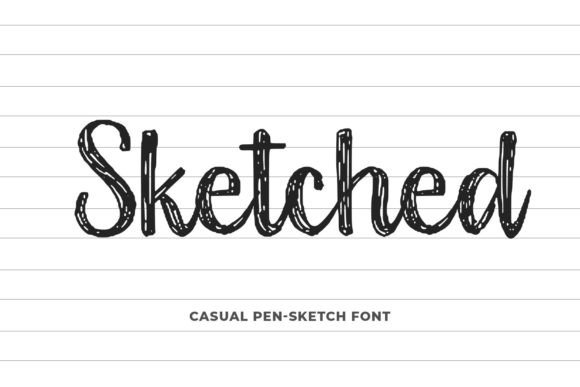
Modern consumers and audiences have developed a keen eye for distinguishing between corporate manufacturing and genuine creation. Whether you are a small business owner designing packaging or a blogger creating social media graphics, the goal is often to build a connection. Sketched helps achieve this by mimicking the natural irregularities of a hand-drawn pen stroke. Unlike standard script fonts that can feel rigid or overly calligraphic, a casual pen-sketch font offers a relaxed, approachable aesthetic. It signals to the viewer that there is a human behind the message, which is a powerful psychological trigger for engagement.
Why "Casual" Matters
Formal script fonts have their place in wedding invitations and luxury branding, but they can often alienate audiences looking for something friendly and fun. Sketched is designed to be unpretentious. It works exceptionally well in contexts where you want to appear helpful, playful, or creative without trying too hard. For marketers and content creators, this font style helps lower the barrier between the brand and the consumer. It says, "We are approachable," which is a vital trait for customer service graphics, community posts, and lifestyle branding.
Practical Applications: Where Sketched Shines
The versatility of Sketched lies in its ability to adapt to various mediums, particularly those involving physical products. It is optimized for applications where texture and character are paramount.
Apparel and Merchandise
If you are designing for print-on-demand services or creating custom merchandise, Sketched is a prime candidate. It is particularly effective for t-shirt designs and tote bags. These items often rely on typography to carry the design, and the pen-sketch style ensures the text looks like it was drawn directly onto the fabric. It avoids the "sticker" look that often plagues digital text printed on clothing. When paired with simple line art, it creates a cohesive, illustrated look that appeals to a wide demographic.
Home Decor and Drinkware
Consider the market for mugs and wall art. A clean, sans-serif font might look sterile on a ceramic mug intended for a cozy morning coffee. Sketched provides the necessary warmth. It is ideal for quotes, witty sayings, or personalized names. Because it mimics a pen, it pairs naturally with illustrations, allowing text and image to blend seamlessly rather than competing for attention. This is particularly useful for craft projects where the aesthetic relies on a "homemade" feel.
Digital Presence and Social Media
On platforms like Instagram or Pinterest, visual hierarchy is everything. Sketched serves as an excellent accent font for headlines or call-to-action phrases. It draws the eye without the aggression of bold block letters. For bloggers creating Pinterest pins, using a hand-drawn style font can significantly increase click-through rates because it stands out against the sea of standard Arial and Times New Roman text found in standard web layouts.
Streamlining the Creative Process
One of the most significant challenges for freelancers and hobbyists is time. Creating hand-lettering from scratch requires skill, a steady hand, and hours of digitization. Sketched solves a logistical problem: it provides the aesthetic of custom lettering with the efficiency of a digital font.
Consistency Without Compromise
When you hand-letter a design, maintaining consistency across multiple products can be difficult. The kerning might vary, or the weight of the lines might change. With Sketched, you get the visual charm of hand-drawn text with the technical precision of a digital typeface. This ensures that your cards, banners, and social media posts look cohesive, which is essential for building a recognizable brand identity.
Accessibility for Non-Designers
You do not need to be a professional typographer to use Sketched effectively. Its design is inherently forgiving. Because it is meant to look casual, slight adjustments in sizing or spacing often add to the charm rather than looking like errors. This makes it an excellent tool for educators creating classroom materials or entrepreneurs bootstrapping their own marketing assets. It democratizes good design, allowing those without advanced skills to produce professional-looking, character-rich graphics.
Strategic Fit: When to Use Sketched
While Sketched is a beautiful pen-sketched script font, it is not a universal solution for every design problem. Understanding its limitations is just as important as understanding its strengths.
Readability and Hierarchy
Because Sketched is a script font with a hand-drawn aesthetic, it is best used for headlines, short quotes, or accent text. It is generally not recommended for long-form body copy or detailed technical information where absolute clarity is required. For a publisher or professional drafting a formal report, a clean sans-serif is a better choice. However, for the "About Me" section of a website or a pull-quote in a magazine layout, Sketched adds personality without sacrificing legibility.
Brand Alignment
Design is about communication, and the font you choose speaks volumes about your brand's voice. Sketched aligns best with brands that value creativity, simplicity, and approachability. It is perfect for a boutique coffee shop, a yoga studio, a children’s clothing line, or a lifestyle blog. Conversely, if you are designing for a law firm, a fintech startup, or a medical provider, the casual nature of Sketched might undermine the sense of authority and trust you need to convey. Always consider the context of the message.
Enhancing Visual Storytelling
Great design tells a story, and Sketched helps set the narrative tone immediately. The texture of the font implies a process—someone sitting down with a pen and paper to jot down a thought. This narrative is powerful in marketing. It suggests mindfulness, care, and creativity.
Combining with Other Elements
To get the most out of Sketched, consider how it interacts with other design elements. It pairs exceptionally well with clean photography or minimalist layouts. If you place Sketched over a busy, colorful background, the text might get lost. However, when placed over a high-quality photo with a slight overlay, or against a clean white background, the font stands out as a deliberate design choice. It acts as a visual anchor that draws the viewer into the message.
Emotional Resonance
Ultimately, the goal of using a font like Sketched is to evoke an emotion. It triggers nostalgia for letter-writing and note-passing. For marketers, this emotional resonance can make a campaign feel more personal. For creators, it ensures their work feels authentic. It is a tool that helps bridge the gap between the digital screen and the human heart, making it a valuable asset in any creative’s toolkit.
Conclusion
In a digital landscape saturated with perfect geometry and sterile interfaces, Sketched offers a breath of fresh air. It provides the utility of a digital font with the soul of hand-lettering. Whether you are designing a t-shirt, creating a banner for your next event, or crafting a social media post that needs to feel genuine, this casual pen-sketch font delivers. It is a practical, efficient, and emotionally resonant choice for anyone looking to add a touch of humanity to their work.