Happy New Year: How a Fun Font Can Spark Your Next Creative Project
In the vast and often overwhelming world of digital design, typography is more than just arranging letters on a page; it is the voice of your visual content. While professional documents often demand the rigidity of serif or sans-serif fonts, there is a thriving space for personality, warmth, and human touch. This is where script fonts enter the conversation. Specifically, the "Happy New Year" font style represents a unique category of design assets: the fun, quirky, handwritten script. This typeface is not merely a tool for writing; it is an invitation to play, to celebrate, and to infuse your creative ideas with a sense of joy that standard fonts simply cannot replicate.
Understanding the Anatomy of a Handwritten Script
Before diving into the specific applications of a font like "Happy New Year," it is essential to understand what makes handwritten scripts distinct. Unlike traditional typefaces that are designed for uniformity and legibility in long-form text, handwritten fonts are designed for impact and emotion.
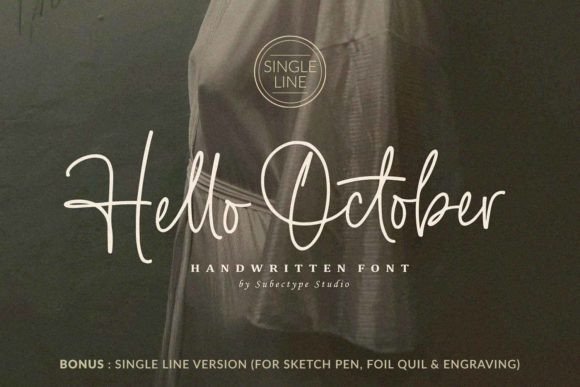
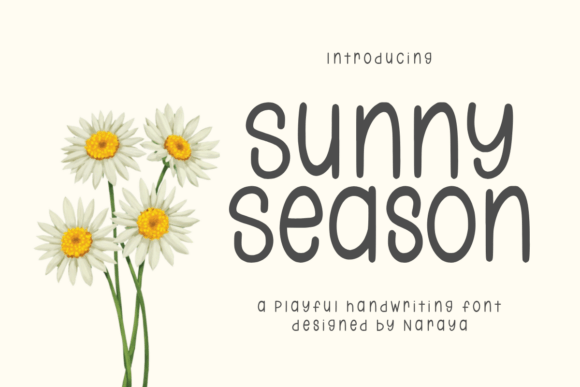
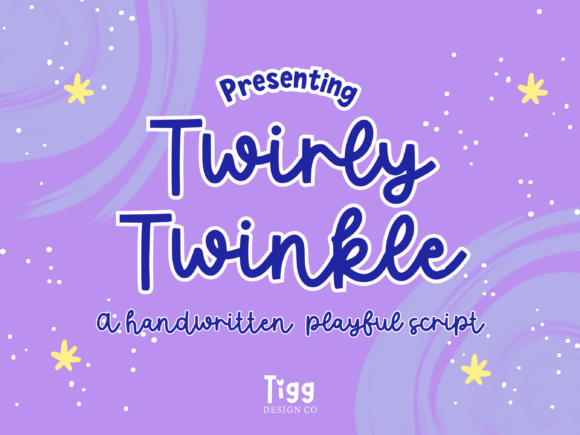
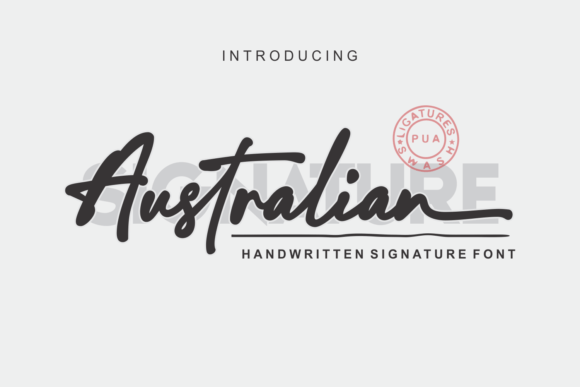
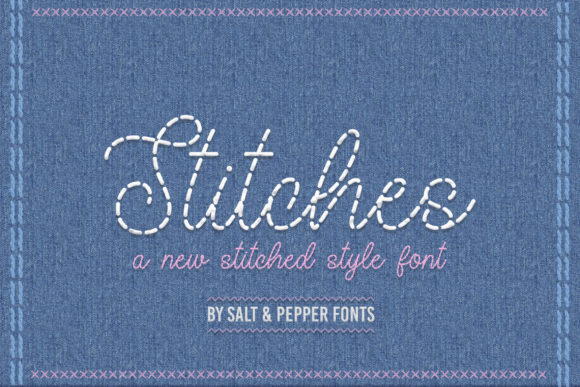
The "Happy New Year" font, characterized by its whimsical loops and uneven baseline, mimics the natural irregularities of human handwriting. This "quirky" aesthetic is intentional. In design theory, perfection can sometimes feel sterile or cold. By introducing the slight imperfections found in a handwritten script, the viewer perceives the design as more personal and approachable. It bridges the gap between the digital screen and the human hand, creating a subconscious connection with the audience.
The Psychology of "Fun" Typography
Why do we react differently to a font that looks like it was written with a marker compared to one typed on a typewriter? The answer lies in psychology. Formal fonts trigger associations with authority, news, and official documentation. Conversely, a font labeled as "fun" or "quirky" triggers associations with leisure, celebration, and creativity. When you use a font like "Happy New Year," you are signaling to the viewer that the content is meant to be enjoyed, not just consumed.
Practical Applications: Where Creativity Meets Function
The versatility of a playful script font extends far beyond simple greeting cards. While it is an obvious choice for seasonal wishes, its utility in modern design—both digital and physical—is vast. Understanding how to deploy this font effectively can elevate a project from mundane to memorable.
1. Digital Marketing and Social Media
In the fast-paced environment of social media, grabbing attention is the primary currency. Platforms like Instagram, Pinterest, and TikTok are heavily visual. A bold, handwritten script like "Happy New Year" can serve as a powerful hook in graphics.
- Instagram Stories and Reels: Use the font for overlay text to announce sales, giveaways, or casual updates. It feels more native to the platform than a corporate font.
- Thumbnail Design: YouTube thumbnails often benefit from handwritten text to highlight excitement or urgency. A quirky font stands out against the standard interface of the website.
- Call to Actions (CTAs): While body text should remain readable, a CTA button or banner written in a script font can add a playful touch that encourages clicking.
2. Personal Branding and Stationery
For freelancers, artists, and small business owners, branding is about personality. If your brand voice is friendly, artistic, or celebratory, a font like "Happy New Year" can become a cornerstone of your visual identity.
- Logo Design: While complex scripts can be hard to read at small sizes, a stylized wordmark using this font can work beautifully for bakeries, event planners, or lifestyle blogs.
- Wedding Invitations: The "Happy New Year" aesthetic is perfectly suited for save-the-dates, wedding programs, and thank-you notes. It evokes romance and celebration without the stuffiness of traditional calligraphy.
- Digital Signatures: Adding a handwritten font to your email signature can make your digital correspondence feel warmer and more personal.
3. Merchandise and Print-on-Demand
The print-on-demand industry has exploded in recent years, and typography is the leading design element on merchandise. T-shirts, mugs, tote bags, and posters often rely on text to convey a message.
A quirky handwritten font translates exceptionally well to physical products because it mimics the look of hand-lettering. It gives the impression that the item was custom-made or artisanal, even if it was mass-produced. Phrases like "Good Vibes," "Stay Wild," or simply "Happy New Year" printed in this style sell well because they are relatable and visually pleasing.
Integrating the Font into Your Workflow
Adopting a new font requires more than just installation; it requires a strategy for integration. To "add it to your creative ideas and enjoy the results," as the prompt suggests, one must understand the technical and aesthetic constraints of the typeface.
Pairing Fonts for Balance
One of the most common mistakes beginners make is using a decorative font for everything. A "fun and quirky" font like "Happy New Year" is excellent for headlines and accents, but it is generally poor for body text. Italicized, looping scripts can become illegible when used in long paragraphs.
Therefore, pairing is crucial. A strong strategy is to combine the handwritten script with a clean, geometric sans-serif font (like Montserrat, Roboto, or Open Sans). The contrast between the organic, irregular lines of the script and the clean, mathematical lines of the sans-serif creates visual harmony. The sans-serif provides the structure, while the script provides the soul.
Color and Context
The context of the font changes based on the color palette. When "Happy New Year" is used in pastel pinks and blues, it feels gentle and suitable for baby showers or spring sales. If the same font is rendered in neon greens and electric yellows, it becomes energetic, suitable for music festivals or New Year’s Eve parties. When choosing this font, consider the emotional temperature you wish to convey.
Clarifying Common Misunderstandings
As with any design element, there are pitfalls to avoid. The label "fun" does not mean "careless." Here are a few clarifications to ensure professional results:
- Legibility is King: Never sacrifice readability for style. If the audience cannot read the word in three seconds, the font choice has failed, regardless of how pretty it looks. Test the font at various sizes to ensure the "quirky" elements don't obscure the letters.
- Licensing Matters: Many users assume that because a font is available for download, it is free for commercial use. Always check the license. If you are using "Happy New Year" for a client's logo or merchandise, ensure you have the rights to do so.
- Overuse Kills Impact: If you use a decorative script for every heading on a website, the user will experience visual fatigue. Use it sparingly for maximum impact. Treat it like a spice in cooking—a little enhances the flavor, but too much ruins the dish.
The Future of Expressive Typography
We are currently seeing a shift in digital design toward "humanized" interfaces. As artificial intelligence and automation become more prevalent, there is a growing hunger for authenticity. Handwritten fonts like "Happy New Year" satisfy this hunger. They represent the human touch in a digital world.
Furthermore, with the rise of variable font technology, we may soon see quirky scripts that can be adjusted for "slant," "weight," and "texture" in real-time, allowing designers to customize the handwriting style to match their exact mood. However, the core appeal will remain the same: the desire to communicate with warmth, personality, and a touch of fun.
Conclusion
The "Happy New Year" font is more than just a collection of glyphs; it is a creative catalyst. It represents the intersection of technology and artistry, offering a way to inject personality into digital communications. Whether you are designing a wedding invitation, crafting a social media campaign, or creating merchandise, this handwritten script offers a versatile and engaging solution.
By understanding its strengths—its ability to evoke emotion, its necessity for proper pairing, and its role in modern branding—you can move beyond basic typography. You can create designs that do not just inform but delight. So, go ahead and add this font to your toolkit. Experiment with it, play with the colors, and let your creativity flow. In a world of rigid structures, a little bit of quirky, handwritten joy is exactly what we need.