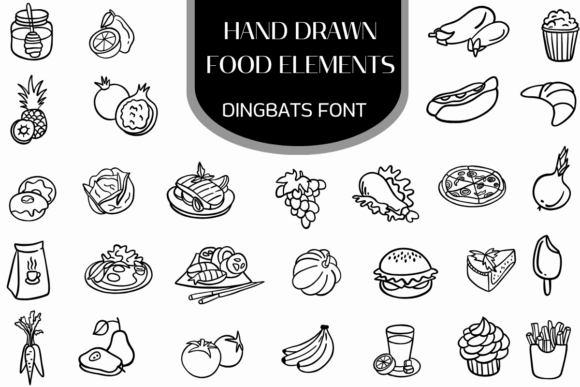
Animal: A Dingbats Font with a Wild, Sketch-Style Personality
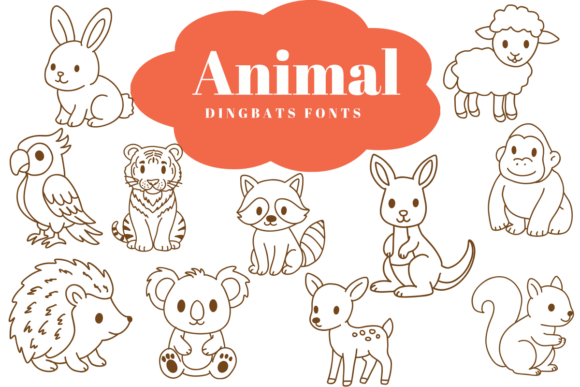
In the world of typography, finding a font that breaks the mold and injects genuine character into a project can feel like discovering a hidden gem. The Animal typeface is precisely that kind of find. It’s not your typical serif font or clean sans serif font. Instead, it’s a creative dingbats font, built around a theme of animal illustrations rendered in a distinct, hand-drawn sketch style. Each glyph is a piece of art, offering designers and creators a versatile toolkit for projects that demand a touch of nature, whimsy, or raw, organic energy.
More Than Just a Font: The Visual Character of Animal
When you first encounter Animal, you immediately grasp its personality. The illustrations are not sterile, perfect vector outlines. They possess a human touch—visible pencil strokes, slight imperfections, and a sense of spontaneity that feels authentic and approachable. This sketch-style aesthetic gives the font a warm, artisanal quality, making it ideal for brands and projects aiming to convey craftsmanship, creativity, or a connection to the natural world. It functions as a premium font asset, providing a library of unique design elements rather than traditional letters and numbers. Its strength lies in its ability to act as a standalone creative font for decorative elements or as a powerful accent when paired with more conventional typefaces.
Where This Creative Font Truly Shines: Real-World Applications
The practical applications for a font like Animal are surprisingly broad, extending far beyond simple decoration. Its value is unlocked when used with intention across various mediums.
Crafting a Memorable Brand Identity
For businesses in the pet care, outdoor recreation, eco-friendly products, or artisanal food sectors, Animal can be a cornerstone of brand identity. Imagine a boutique pet groomer using a delicate cat or dog sketch from the font as a subtle watermark on appointment cards, or a wildlife conservation blog incorporating various animal icons into its header graphics. It helps create a visual language that is instantly recognizable and emotionally resonant, moving beyond generic stock imagery to something with genuine style.
Elevating Invitations and Personal Projects
This is where Animal feels most at home. The font is perfect for wedding invitations with a rustic, botanical, or safari theme. A single, elegantly drawn elephant or a pair of birds can set the entire tone for a stationery suite. For DIY projects, crafts, and decorations, it’s a dream. Use it to create custom stamps, stencil patterns for throw pillows, or unique decals for nursery walls. The sketch style ensures that even when scaled, the illustrations retain their handcrafted charm.
Digital and Print Design with a Natural Flair
In editorial design and packaging design, Animal icons can serve as elegant chapter markers, section dividers, or featured illustrations on product labels. A coffee brand could use a bear icon on its packaging to hint at its “bold” blend, while a children’s book publisher might use the entire set to create a playful index or chapter opener. For social media graphics, these icons are perfect for creating engaging Instagram stories, custom highlight covers, or eye-catching Pinterest pins that stand out in a crowded feed. They add a layer of visual interest that a standard script font or modern typography cannot provide alone.
Practical Guidance for Using Animal Effectively
Integrating a specialized asset like this requires a thoughtful approach to ensure it enhances rather than overwhelms your design.
- Evaluate the Project Fit: Before diving in, ask if the sketch-style, organic nature of Animal aligns with your project’s goals. It’s superb for adding personality and warmth but may not be the right choice for a corporate finance report or a minimalist tech startup seeking a hyper-clean aesthetic.
- Master Font Pairing: Animal works best when it has breathing room. Pair it with a simple, clean display font or a readable body text typeface. A classic serif font can add elegance, while a sturdy sans serif font provides a modern, balanced counterpoint. The key is contrast—let the Animal icons be the star while the typography provides structure.
- Explore the Included Styles: A quality premium font like this often includes more than just the basic animal set. Check for variations in weight, line thickness, or even complementary decorative elements like foliage or borders. This allows for greater versatility and cohesion within a single project.
- Consider Readability and Hierarchy: Remember, these are illustrations, not text. Use them strategically as visual anchors or decorative elements. Avoid setting a paragraph of body copy with dingbats. Instead, use a large Animal icon as a hero image on a landing page, or small, recurring icons to create a visual motif throughout a brochure.
- Review Commercial Licensing: This is a critical step for any professional project. Ensure the license covers your intended use, whether it’s for a logo design, web design, or printed merchandise. Reputable font foundries provide clear licensing terms, giving you the confidence to use the commercial font assets in client work or your own business.
The true power of a creative font like Animal lies in its ability to tell a story. It’s a collection of design assets that can inject narrative, emotion, and a distinct point of view into your work. By understanding its personality and applying it with care, you can transform ordinary projects into memorable experiences that capture attention and engage your audience on a more personal level. It’s a testament to how the right typeface—or in this case, the right set of dingbats—can become an indispensable part of a designer’s toolkit.