Delta: Set Sail with Maritime Elegance and Coastal Charm
In the crowded world of branding and design, finding a typeface that truly captures a specific mood can feel like searching for a lighthouse in a fog. Many fonts claim to be versatile, but few manage to encapsulate a rich, specific heritage while maintaining high functionality. For designers and brand owners looking to evoke the spirit of the sea, the romance of exploration, and the solidity of craftsmanship, Delta offers a compelling solution. This ornate display font does more than just present letters; it tells a story of rugged elegance, blending classic serif architecture with the tactile beauty of maritime heritage.
Understanding the Unique Character of Delta
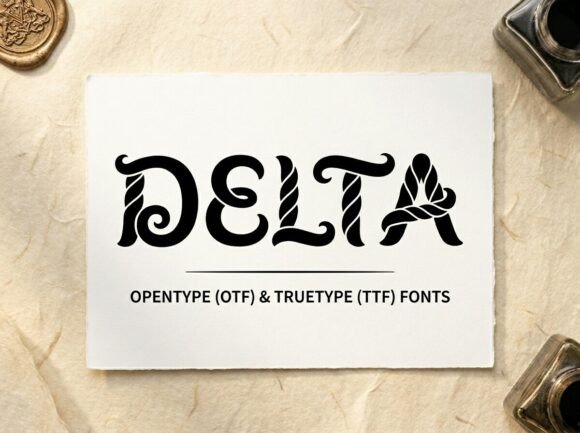
At its core, Delta is a display typeface designed for impact and atmosphere. It is not intended for body text or long-form reading, but rather for headlines, logos, and branding elements where first impressions are paramount. The defining characteristic of Delta is its transformation of standard letter structures into textured, twisting rope motifs. The stems of the letters—the vertical and diagonal strokes—are rendered to look like thick, braided cordage, giving the font an immediate industrial and nautical connection.
However, what prevents Delta from looking purely utilitarian is its incorporation of graceful, sweeping swashes. These decorative flourishes add a sense of movement, mimicking the flow of water or the unfurling of sails. This combination creates a unique visual tension: it is at once rugged and refined, industrial yet artisanal. For anyone involved in coastal branding, this balance is the "holy grail" of typography. It allows a brand to look established and premium without appearing stuffy or overly traditional.
Addressing the Challenges of Nautical Branding
Designing for maritime-themed industries presents a unique set of challenges. The market is saturated with clichés—anchors, generic sailor scripts, and blue-and-white color palettes that lack distinction. Many brands struggle to differentiate themselves, ending up with identities that feel generic or "low budget."
The primary goal for most coastal businesses is to convey prestige and authenticity. Whether it is a high-end seafood restaurant, a luxury yacht charter, or a boutique harbor resort, the visual identity needs to suggest quality and experience. Delta addresses this need by providing a typographic voice that feels handcrafted and substantial. Because the font mimics the texture of rope, it instantly grounds the design in a tangible, physical reality. It moves the brand away from cartoonish nautical themes and toward a more sophisticated, editorial aesthetic.
Practical Applications and Implementation
The versatility of Delta lies in its ability to adapt to different contexts while maintaining its core identity. Here are several practical scenarios where Delta can elevate a design project:
1. Coastal Branding and Logos
For a new business opening near the water, the logo is the cornerstone of the brand identity. Using Delta for a wordmark (the text-only part of a logo) creates an immediate association with the sea. For example, a seafood distribution company could use Delta to suggest the durability of fishing nets and the reliability of their supply chain. The high-contrast letterforms ensure that the logo remains legible even when scaled down for business cards or social media avatars.
2. Yacht Club Identities
Yacht clubs require a typeface that balances tradition with status. Delta fits this niche perfectly. Its serif structure nods to classical typography often found in historic institutions, while the rope details add a modern, textural twist. When applied to membership certificates, signage, or regatta posters, Delta conveys a sense of exclusive community and seafaring heritage.
3. Premium Seafood Packaging
Packaging design relies heavily on shelf appeal. In a supermarket aisle or a boutique deli, a product has only a few seconds to grab a shopper's attention. Delta can be used on packaging to signal that the product inside is premium and artisanal. Imagine a box of smoked salmon or a tin of gourmet oysters; the textured typography of Delta suggests that the product was sourced with care and processed with craftsmanship.
4. Editorial Headers and Event Invitations
Publishers working on maritime-themed magazines or travel guides can use Delta for chapter titles and pull quotes. It adds a layer of visual storytelling before the reader even engages with the text. Similarly, for a destination wedding on a pier or a black-tie harbor gala, Delta serves as an excellent choice for invitations, setting a tone of elegance and adventure.
Tailoring Delta to Different User Needs
Different users will approach Delta with distinct goals, and the font allows for this flexibility.
- The Luxury Resort Owner: This user needs to convey relaxation and high-end service. They might use Delta in a large, spaced-out format (increased tracking) to create a airy, breathable feel on their website headers. The focus here is on the "sweeping swashes" to suggest leisure and flow.
- The Industrial Marine Supplier: This user focuses on strength and durability. They might utilize Delta in a bold weight, emphasizing the "rope motif" aspect of the stems. The application would be on heavy-duty signage and invoices, where the font needs to look robust and unyielding.
- The Boutique Brand Designer: This user is looking for uniqueness. They might pair Delta with a clean, modern sans-serif font. By using Delta only for the main headline and a simple font for sub-text, they can create a hierarchy that feels both contemporary and rooted in history.
Recommendations for Effective Usage
To get the most out of Delta, it is important to follow some best practices regarding typography and layout.
Contrast is Key: Because Delta is a high-contrast font with significant texture, it requires a clean background. Placing it over a busy photographic background can make it difficult to read. It works best when set against solid colors, subtle gradients, or high-quality, slightly blurred backgrounds that allow the letterforms to stand out.
Size Matters: As a display font, Delta is designed to be seen at larger sizes. Using it for small text (under 16pt) will result in the intricate rope details becoming muddy or lost, reducing legibility. Always use Delta for headlines, sub-headers, or logo marks, and pair it with a simpler body font for descriptions.
Color Psychology: The texture of Delta lends itself well to specific color palettes. Deep navy blues, crisp whites, and sandy beiges are obvious choices that reinforce the maritime theme. However, don't be afraid to experiment with metallic golds or coppers. Applying a gold foil effect to Delta on a dark background can create a look of extreme luxury, perfect for high-end branding.
The Outcome: Seafaring Prestige
Ultimately, the goal of any branding effort is to create an emotional connection with the audience. Delta facilitates this by tapping into a rich vein of cultural symbolism. The sea represents vastness, freedom, and power. Rope represents the human effort to harness that power—knots, rigging, and nets are all symbols of skill and labor.
By choosing Delta, designers and business owners are not just picking a font; they are adopting a visual language of maritime elegance. It helps solve the problem of generic branding by providing a typeface that is instantly recognizable and deeply evocative. Whether you are launching a new coastal business or refreshing an existing identity, Delta offers a robust, beautiful, and thematic foundation to build upon. It ensures that your brand doesn't just float—it sets sail with confidence and style.